
Introduction
In today’s digital age, IT security is no longer optional—it’s a necessity. As technology evolves, so do the threats that can compromise the integrity and security of your business data. Whether you are a small startup or a large corporation, understanding and implementing robust IT security measures is crucial. This guide covers essential IT security strategies, tips, and best practices to protect your business from cyber threats.
Key Points
- The importance of IT security for modern businesses.
- Common threats and vulnerabilities.
- Best practices for IT security management.
- Tips to enhance your IT security strategy.
- How IT security integrates with cloud computing and other emerging technologies
What is IT Security?
IT security, also known as information technology security, encompasses the strategies, technologies, and practices designed to protect data, networks, and computer systems from unauthorized access, attacks, and damage. As businesses continue to adopt digital solutions, they face numerous risks such as data breaches, malware infections, and phishing attacks. IT security ensures that sensitive data is protected, systems are monitored for suspicious activity, and employees are aware of best practices.
Why is IT Security Important?
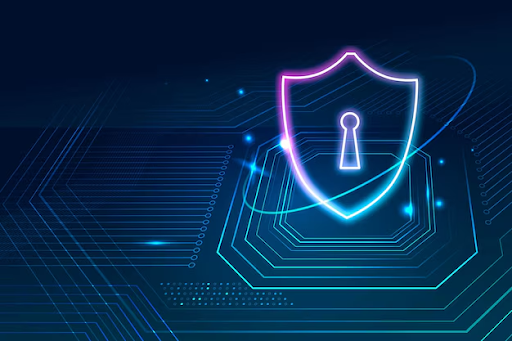
In a world where data is a critical asset, securing it is vital for business continuity. Cyber-attacks can result in data loss, financial damage, and reputational harm. With the rise of cloud computing and remote work technology, businesses are more vulnerable than ever to cyber threats. IT security helps to:
- Protect sensitive data: Safeguarding customer information, financial records, and proprietary data from theft or compromise.
- Ensure business continuity: Preventing disruptions caused by cyber-attacks.
- Comply with regulations: Meeting legal requirements for data protection.
- Enhance customer trust: Building confidence among customers that their data is secure.
- Common IT Security Threats and Vulnerabilities
Developing an Effective IT Security Strategy
- Phishing Attacks: Cybercriminals trick individuals into revealing sensitive information by posing as trustworthy entities in emails or messages.
- Malware: Malicious software such as viruses, ransomware, and spyware can infiltrate systems, leading to data theft or destruction.
- Data Breaches: Unauthorized access to sensitive data can result in financial and reputational damage.
- Denial of Service (DoS) Attacks: Hackers flood a network or website with traffic, causing it to crash and become inaccessible.
- Insider Threats: Employees or former employees with access to sensitive information may misuse it intentionally or accidentally.
Best Practices for IT Security Management:
To protect your business from these threats, adopt a proactive approach to IT security. Here are some best practices:
1. Implement Multi-Factor Authentication (MFA)
Adding an extra layer of security by requiring users to verify their identity using two or more methods ensures better protection against unauthorized access.
2. Regularly Update Software and Systems
Outdated software can have security vulnerabilities that are easy for attackers to exploit. Keep your systems up to date with the rearmost security patches.
3. Encrypt Data
Encryption scrambles data so that it’s undecipherable without the correct decryption key. This is especially important for sensitive information.
4. Conduct Regular Security Audits
Frequent security assessments help identify potential weaknesses and address them before they become issues.
5. Employee Training
Educate your staff about cybersecurity best practices, such as recognizing phishing emails and using strong passwords.

Tips to Enhance IT Security in Your Business
Tip #1: Use Cloud Computing Securely
pall computing has come a abecedarian part of ultramodern IT structure. To use it securely:
- Choose reputable cloud service providers with strong security protocols.
2. Encrypt data stored in the cloud.
3. Implement access controls to limit who can access cloud resources.
Tip #2: Leverage Emerging Technologies
Integrating emerging technologies such as Artificial Intelligence (AI) and Machine Learning (ML) can help enhance IT security by automating threat detection and response.
Tip #3: Protect Your Remote Workforce
With more employees working remotely, businesses face new security challenges. Secure remote work technology by:
- Using Virtual Private Networks( VPNs) to encrypt internet connections.
2. Implementing endpoint security to protect devices used for work.
3. Regularly updating remote access policies.
4. IT Security and Its Interconnection with Other IT Areas
IT security is not an isolated field; it intersects with various other domains, providing opportunities for enhanced protection and streamlined operations. Let’s explore how IT security integrates with other IT niches.
1. Cloud Computing
Cloud computing allows businesses to store and process data over the internet. However, it also introduces risks, such as data breaches and insecure APIs. Secure cloud computing practices include encryption, regular audits, and using multi-factor authentication to protect cloud environments.
2. IT Career Development
An increasing demand for IT security professionals means that career development in this field can be highly rewarding. Staying up-to-date with certifications such as Certified Information Systems Security Professional (CISSP) and Certified Ethical Hacker (CEH) can help IT professionals advance in their careers.
3. Emerging Technologies
Technologies like AI, ML, and Blockchain can be leveraged to strengthen IT security. For instance, AI can predict potential threats by analyzing patterns, while Blockchain ensures data integrity through decentralized verification.
4. Remote Work Technology
The rise of remote work has created a need for secure remote access solutions. Companies should implement secure VPNs, enforce multi-factor authentication, and use encryption to protect remote communications.
5. Virtualization Technology
Virtualization can isolate different computing environments, reducing the risk of one compromised system affecting others. Implementing secure virtual environments and conducting regular vulnerability assessments can further enhance security.
IT Security Solutions for Businesses:
Implementing the right security measures can significantly reduce the risk of a cyber attack. Here are some IT security solutions that businesses can adopt:
Firewalls:
These act as a barrier between your internal network and external sources, filtering incoming and outgoing traffic based on security rules.
Antivirus and Anti-Malware Software:
Protects systems from malicious software by detecting and removing threats.
Intrusion Discovery Systems( IDS) Monitors network business for suspicious exertion and cautions directors to implicit pitfalls.
Security Information and Event Management (SIEM):
Aggregates and analyzes log data from various sources to detect and respond to potential security incidents.

FAQs about IT Security
What is the difference between IT security and cybersecurity?
IT security encompasses protecting data, networks, and systems across all environments, while cybersecurity focuses specifically on protecting digital assets from cyber threats.
How often should I update my security software?
Security software should be updated as soon as new patches or updates are released to ensure the latest security features and protections are in place.
Is cloud computing safe for data storage?
Yes, but it depends on the security measures implemented. Using encryption, access controls, and reputable service providers can make cloud storage safe.
What are some common signs of a security breach?
Common signs include unusual system activity, unexpected data access requests, and unauthorized changes to system configurations.
Why is multi-factor authentication important?
Multi-factor authentication adds an additional layer of security, making it more difficult for attackers to gain access even if they have your password.
Conclusion
IT security is an essential component of any business’s digital strategy. By understanding the threats, adopting best practices, and implementing robust security solutions, businesses can significantly reduce their risk of cyberattacks. With the interconnected nature of IT, integrating security measures across cloud computing, remote work technology, and other emerging fields ensures a comprehensive approach to protecting digital assets. Prioritize IT security to keep your business safe and thrive in the digital age.