Have you ever wondered how your phone stores thousands of photos or how businesses manage vast amounts of data daily?
That’s the power of Digital Information Technology (DIT)—the systems and tools that allow data to be stored, processed, and shared through electronic devices. From the apps you use to communicate with friends to the software powering businesses, DIT shapes how we live, work, and connect.
But what makes it so important in today’s world? How does it impact businesses and everyday life? Let’s break it down and explore why mastering digital technology is crucial for success in the modern age.
What is Digital Information Technology?
Digital Information Technology refers to the use of electronic systems and devices to store, transfer, and process data. Imagine all the data on your phone, computer, or the internet—it’s digital information moving and working behind the scenes to keep things running smoothly.
It covers everything from the files saved on your computer to the information transferred during an online payment. This technology relies on various components, including:
- Hardware: Devices like computers, servers, and mobile phones.
- Software: Applications and programs that allow tasks to be performed.
- Services: Cloud storage, technical support, and security tools.
- Infrastructure: Networks and systems that connect everything together.
What Are IT Services?
IT services are systems and solutions designed to manage technology for businesses and individuals. They help ensure that technology works efficiently, securely, and without disruptions.
Think of IT services as the behind-the-scenes team keeping everything operational, from your favorite shopping website to the apps you use daily.
Key Examples of IT Services:
- Payment Platforms: Systems like PayPal or Stripe that process online payments.
- Servers: Physical and virtual spaces where websites and applications are hosted.
- Websites & Applications: Managing and maintaining online platforms for businesses.
- Data Storage Solutions: Cloud services like Google Drive or Dropbox.
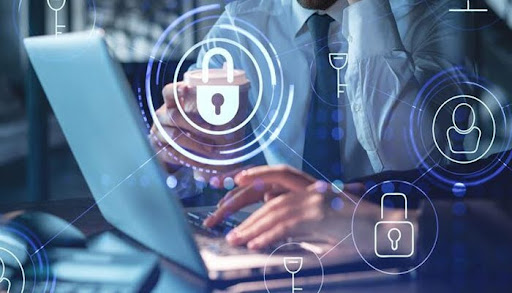
IT Services
Why Are IT Services Important?
Ever wondered what keeps businesses running smoothly in today’s tech-driven world?
Think about it—when you shop online, book a flight, or use a banking app, everything seems to work seamlessly. But have you ever stopped to consider who makes sure it all stays that way?
The answer lies in IT services—the invisible backbone keeping technology reliable and secure. Let’s explore why they matter so much.
1. Keeping Businesses Secure and Running Smoothly
Have you heard about companies losing millions due to cyberattacks?
Digital information technology services play a critical role in protecting sensitive data from threats like hacking, malware, and data breaches. They ensure security measures like firewalls, antivirus software, and encryption are always in place.
Beyond security, they keep systems updated and running efficiently. No one likes websites crashing or losing access to important files during work hours. With IT services, businesses experience less downtime and fewer disruptions.
2. Preventing Costly Problems Before They Happen
Ever thought about how expensive a system failure could be for a business?
Picture this: A retail store’s payment system goes down on Black Friday. The result?
- Lost sales.
- Frustrated customers.
- Damage to the brand’s reputation.
IT services help prevent disasters like this by constantly monitoring systems and fixing small issues before they become costly problems. It’s like having a safety net, saving businesses from expensive repairs and lost income.
3. Boosting Productivity—Less Waiting, More Doing
How often have you been stuck waiting for tech support while your work piles up? Annoying, right?
With strong IT support, technical issues get fixed faster, allowing employees to stay productive. Plus, with the right tools and software in place, tasks get done more efficiently, cutting down on wasted time.
Wouldn’t you rather focus on your work instead of fighting with your tech?
4. Enhancing Customer Experience
What’s worse than a slow website when you’re trying to place an order?
Imagine a customer trying to buy a product online, but the checkout page crashes. Chances are, they’ll leave and never return.
IT services ensure websites, apps, and payment platforms work flawlessly. Faster loading times, secure payment gateways, and smooth browsing experiences lead to happier customers and better sales.
5. Driving Growth and Innovation
Have you ever wondered how businesses keep up with the latest tech trends?
IT services don’t just maintain systems—they open doors for growth. Whether it’s integrating cloud solutions, upgrading software, or adopting new technologies like AI, they help businesses stay competitive and innovative.
Thinking of expanding your business? Reliable IT services can help you scale without technical hiccups holding you back.
So, how well is your business equipped with Digital information technology services?
If you’re not sure, it might be time to explore reliable IT support to stay secure, efficient, and prepared for the future.
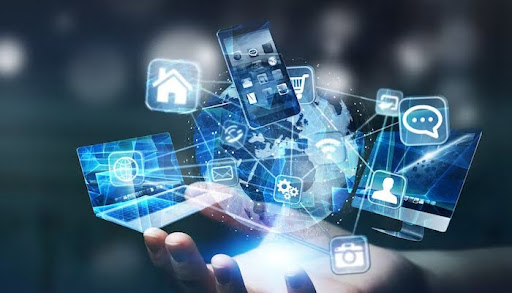
The Evolution of Communication Technology
The Evolution of Communication Technology
How Did Communication Begin?
Communication has come a long way from its simplest forms. Imagine a time when people relied on smoke signals and drum beats to send messages across distances. These early methods, though effective for their time, were limited in reach and detail.
Fast forward to today—messages are sent across the globe in seconds. But how did we get here? Let’s explore the journey of communication technology.
Key Milestones in Communication Technology
1. The Telegraph and Telephone
The telegraph, invented in the early 1800s, was a groundbreaking invention. It allowed messages to be sent over long distances using coded signals (Morse code).
Later, the telephone transformed communication even further by enabling people to speak directly, making conversations faster and more personal.
2. Radio and Television Broadcasting
The invention of the radio brought audio broadcasts, allowing people to hear news and entertainment from afar. This was a massive leap in mass communication.
Television soon followed, combining audio with visuals, making information more engaging and accessible to millions of households.
3. The Internet and Mobile Communication
The internet changed everything. What started as a tool for researchers has now become a global platform connecting billions of people.
Alongside it, mobile phones evolved from simple calling devices to smartphones capable of video calls, instant messaging, and accessing the entire web.
4. Modern Advancements: 5G and the Metaverse
Today, 5G technology has made communication faster than ever, enabling real-time video calls, gaming, and instant data sharing.
The concept of the Metaverse—a virtual world where people can interact digitally—promises to redefine how we connect and communicate in the near future.
How Has Communication Technology Impacted Society?
1. Personal Connections
Think about how easy it is now to stay in touch with friends or family worldwide. From video calls to instant messaging, technology has made personal interactions faster and more convenient.
2. Business and Globalization
Communication technology has revolutionized the way businesses operate. Remote work, virtual meetings, and global collaborations have become the norm, breaking down geographical barriers.
3. Challenges: Are We Really Safe?
While communication has become easier, it has also raised concerns:
- Data Privacy: How secure is the information you share online?
- Cybersecurity: With easier access comes greater risk of hacking and data breaches.
Conclusion:
In today’s fast-paced digital world, Digital Information Technology isn’t just a luxury—it’s a necessity. It drives productivity, enhances communication, and secures valuable data, making life and business operations more efficient than ever before.
But here’s the big question: Are you making the most of it?
Whether you’re a business owner, student, or everyday tech user, understanding DIT can give you a competitive edge in a rapidly evolving digital landscape.
So, what steps will you take to stay ahead in the digital era?
FAQs
Is digital information technology hard?
Digital Information Technology can be easy to learn with the right resources, as it focuses more on using tools and systems rather than complex programming.
What does digital technology do?
Digital technology stores, processes, and shares data electronically, making tasks like communication, data management, and automation faster and more efficient.
Is digital information technology considered Computer Science?
No, Digital Information Technology focuses on practical tech use, while Computer Science involves programming, algorithms, and software development concepts.